
ARTICLE
Comparing Product Origins
Quality, taste, pricing and supply reliability compared across origins.
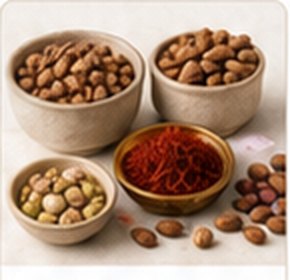
Origin is a useful signal, not a guarantee. The same country produces excellent and poor material in the same season, so origin should narrow your search rather than end it.
What origin actually tells you
Climate and altitude shape the characteristics a crop can reach — saffron from the Khorasan belt reaches colour strengths that are difficult elsewhere, and that is a real agronomic fact rather than marketing. What origin does not tell you is how a specific lot was harvested, dried, sorted and stored, and those decide as much of the final quality as the field did.
Multi-origin sourcing
Buying from more than one origin protects you from a bad season in any single one. It also lets you match grade to purpose — a premium origin for the product where quality is visible, a competitive origin for the volume line — instead of paying a premium price across your whole range.
How to compare fairly
Compare on measured parameters, not on country names: colour strength, moisture, defect percentage and lab results on the same tests. Ask each supplier for a sample from a real lot and test them the same way. An origin comparison built on marketing claims will always favour whoever markets hardest.
Need this product for your market?
Tell us the grade, volume and destination and we will come back with a written offer.
More for buyers
- GUIDE
Saffron Grades Guide
Understand grade differences, uses, and pricing to choose the right saffron for your market.
- GUIDE
Bulk Pistachio Sourcing Guide
A buyer's guide to varieties, sizes, kernels and smart sourcing strategies.
- CHECKLIST
Export Documentation Checklist
The documents that keep a food shipment moving through customs.